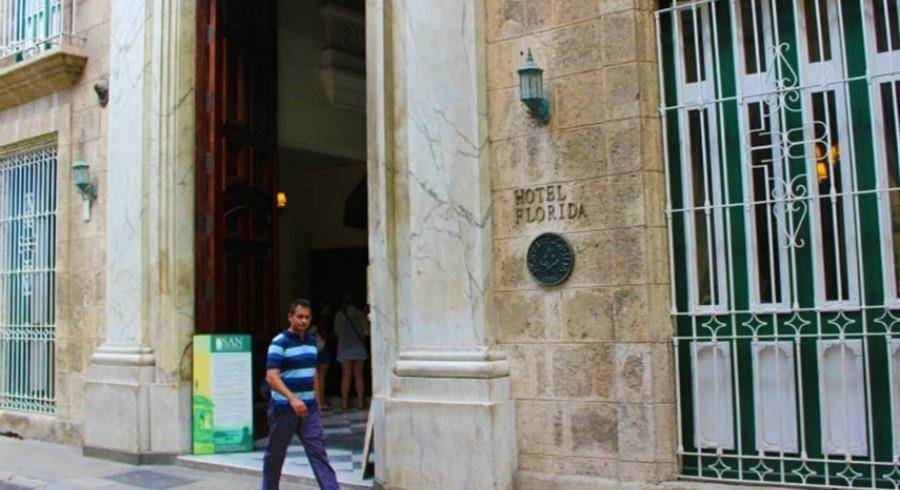
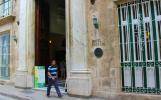
Obispo St. on the corner of Cuba St., Old Havana ,
Havana, Cuba
(+53) 78624127
yes
About
Florida
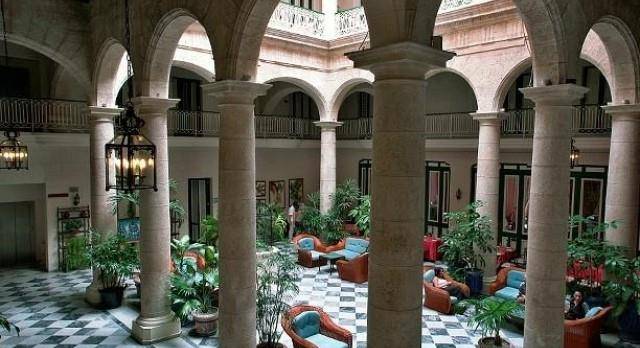
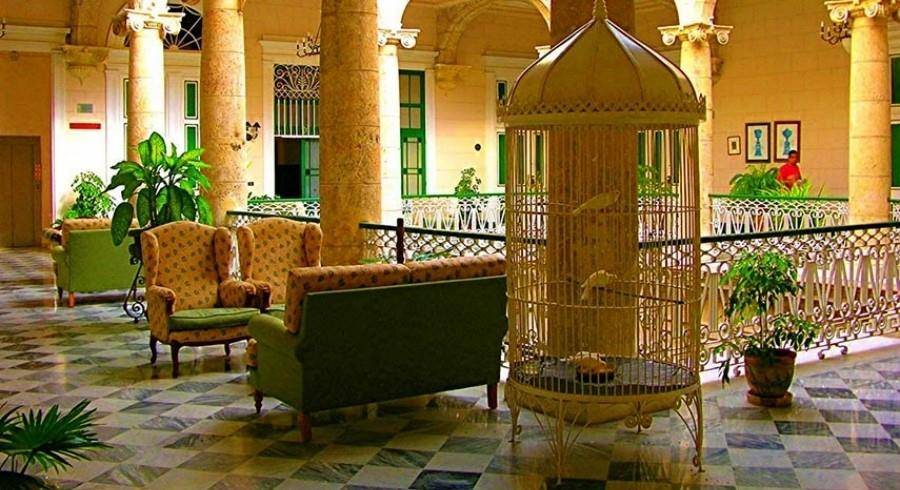
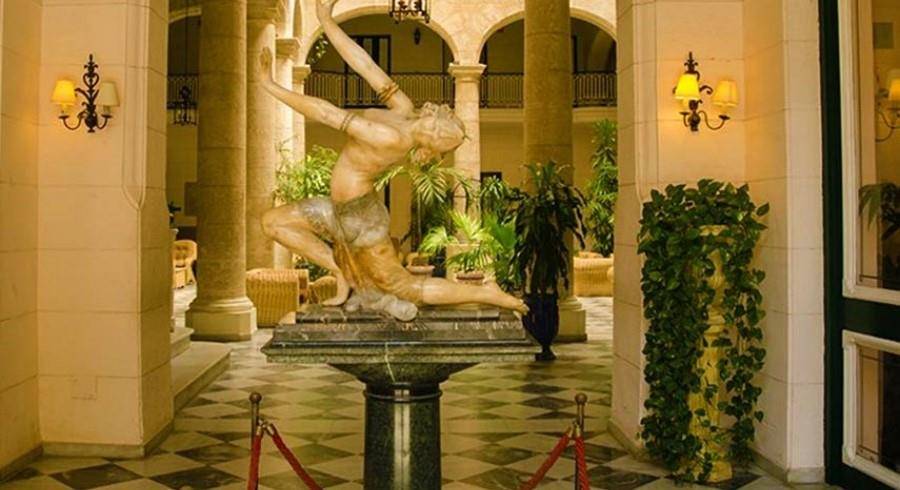
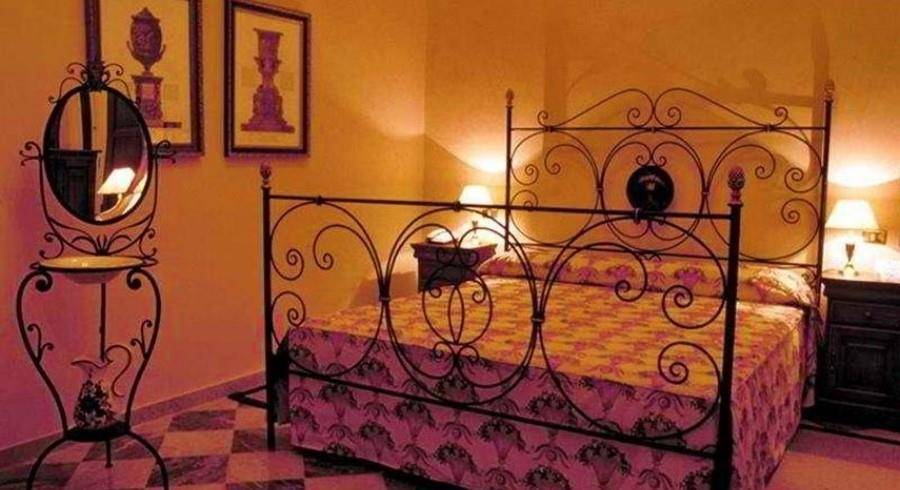
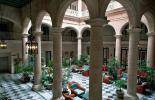
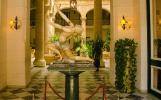
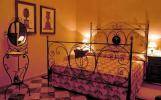
Dating back to the 19th Century, Hotel Florida is a beautifully restored colonial hotel in the heart of old Havana. The elegantly appointed lobby, complete with stained glass window, sets the tone for a stylish hotel with a uniquely Cuban atmosphere.
Florida hotel has a restaurant & two bars, serving local & international cocktails. But beyond the delicious food & mojitos, the highlight for many guests is the atmospheric piano bar, Maragato. Whether you dance salsa, enjoy watching or just want an authentic Cuban experience, you will never forget Maragato. The bar is popular with salsa lovers across Havana & stepping inside is like walking into a classic Latin postcard.
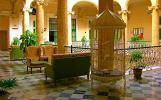
A fun night of salsa builds an appetite & you will find everything you need in the delicious continental breakfast buffet. Then wile away the hours relaxing in the courtyard, complete with sliding glass roof so you can sit outside whatever the weather. With 24-hour reception & even a souvenir shop for last-minute gifts, not to mention the fabulous Maragato bar, Hotel Florida can provide a memorable Cuban experience.
Paseo del Prado No.458, La Habana
Gran Teatro de La Habana
The Gran Teatro de La Habana Alicia Alonso (Great Theatre of Havana Alicia Alonso) is one of the architectural jewelry of Havana. It has an incredible neo-baroque façade with the signature of the Belgian architect Paul Belau. Located in a building known as the Galician Centre of Havana, it was inaugurated in 1915 and at the beginnings it was named Tacón Theatre. Not only in its façade there are evidences of its exquisiteness, but also its indoors halls show the luxury and elegance of the time. Its stages have shown the better artistic representations of all times, with outstanding personalities during its history (Sara Bernhardth, Enrico Caruso, Alicia Alonso) The theatre has been home to the Cuban National Ballet and, the main stage of the International Ballet Festival of Havana. Its facilities include theatres, a concert hall, conference rooms, and a video screening room, as well as an art gallery, a choral centre, and several rehearsal halls for danzarias groups and dance companies.
Calle Oficios, esq Muralla, Plaza de San Francisco de Asís, La Habana
Alejandro de Humboldt Museum
The Museo Alejandro de Humboldt (Alejandro de Humboldt Museum) is located in a Colonial house in Plaza de San Francisco de Asís Square, in Old Havana, Cuba. Its name comes from the German scientist Alejandro von Humboldt, who is seen as the second person to discover Cuba. This is a scientific museum dedicated to biology and its main objective is to preserve research and promote the historical Humboldt’s legacy. This institution enhances the labor of Cuban and international personalities whose contributions are considered relevant for the development of culture in general terms. It exhibits the historical trajectory of the scientific and botanic data he compiled throughout the island at the beginning of the 19th century, as well as a botanic exhibition which is fundamentally made up of ferns. In this museum there is a perfect copy of a Kritosaurus skeleton found in the desert and donated by the Mexican government, as well as an enormous Pterosaur skeleton, which is around 10 meters length. The House also has a conference room with capacity for 100 persons and a specialized library on German literature.
Oficios, e/ Amargura y Churruca, Habana Vieja
San Francisco de Asís Square
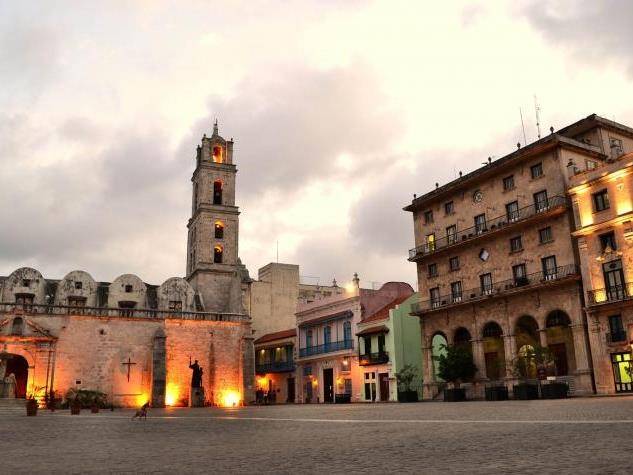
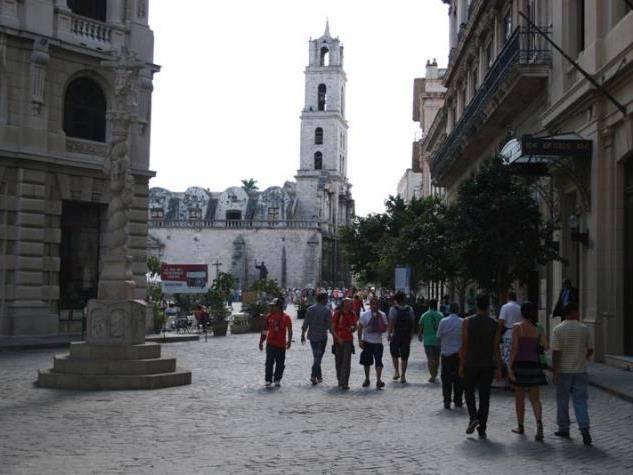
This square dates back to the first half of the 17th century. Its location, just a few metres from the bay, led to it becoming an important trading square over the years. It is said that around the year 1600 the first fountain of the city could be seen at this square. In 1836 it was replaced by a beautiful fountain made of white Carrara marble by Giuseppe Gaggini, under the good auspices of the Villanueva Count. This fountain is called Fuente de los Leones (Lions Fountain). On its paved area stand two noteworthy buildings: the Monastery and Basilica of San Francisco de Asís, which today houses the Museum of Religious Art and a concert hall. It is also where the Lonja del Comercio (Chamber of Commerce) is located, inspired by Spanish Renaissance architecture and topped by a dome on which a sculpture of the god Mercury stands. Among the houses built around the plaza, the house of the Arostegui family, residence of the Captain Generals until the completion of the City Hall at the end of the 18th century, was erected.
Calle Inquisidor e/ Muralla y Teniente Rey, Habana Vieja
Old Square
The neighbors of the town insisted to the town council on the need to create a new public square for their amusement. In 1587, the town council decided to use as a public square the area behind the Convento de San Francisco, which was being built at the time. During the latter decades of the 16th century, this square was called the Plaza Nueva (new square), but from the 18th century onwards, once the Plaza del Cristo had been built, it began to become known as the Plaza Vieja (old square). The most remarkable feature of this square are the buildings around it, with their unquestionable historical and artistic importance of having been the blueprint for a style of architecture which, along with certain developments, subsequently spread throughout the city and characterised the Cuban architecture of the 18th century.