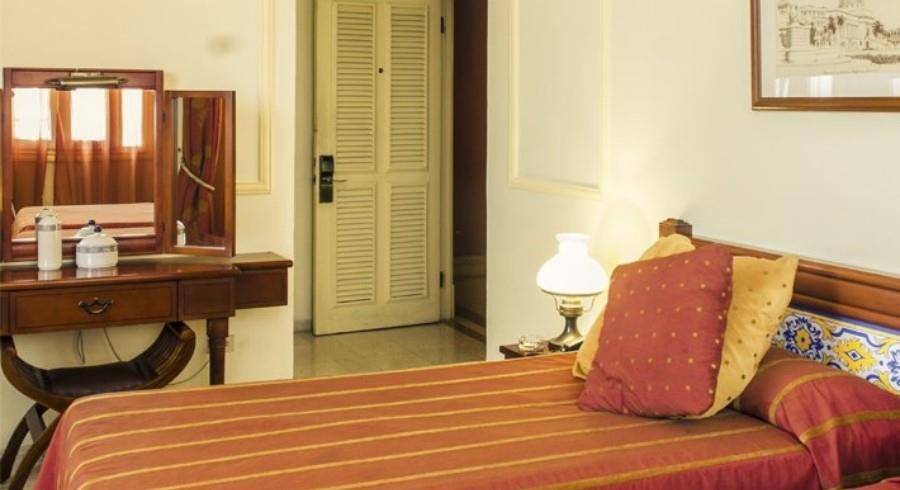
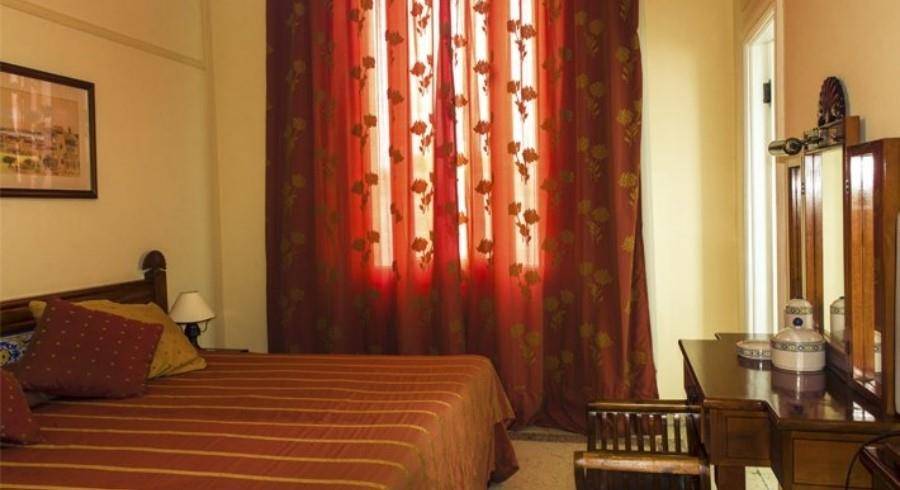
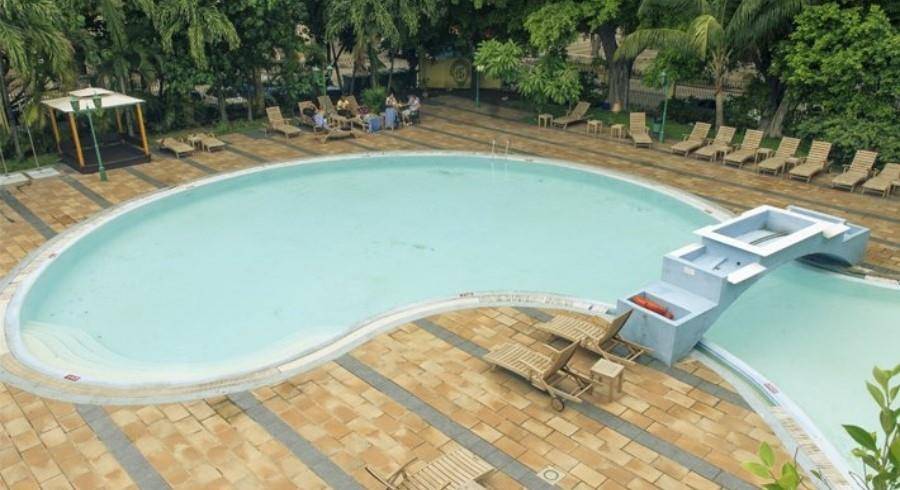
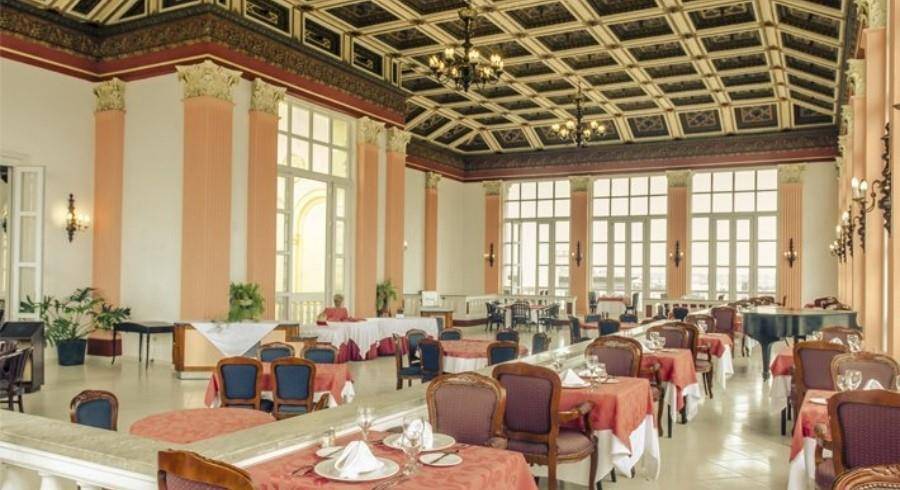
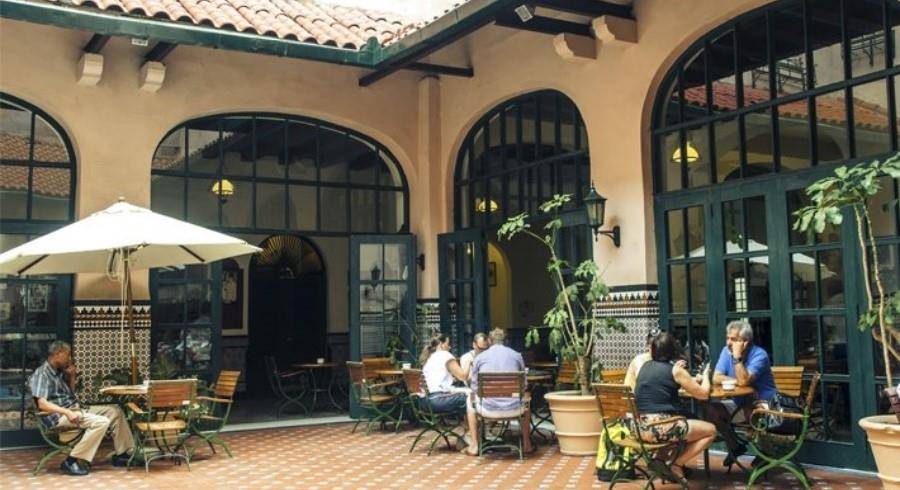
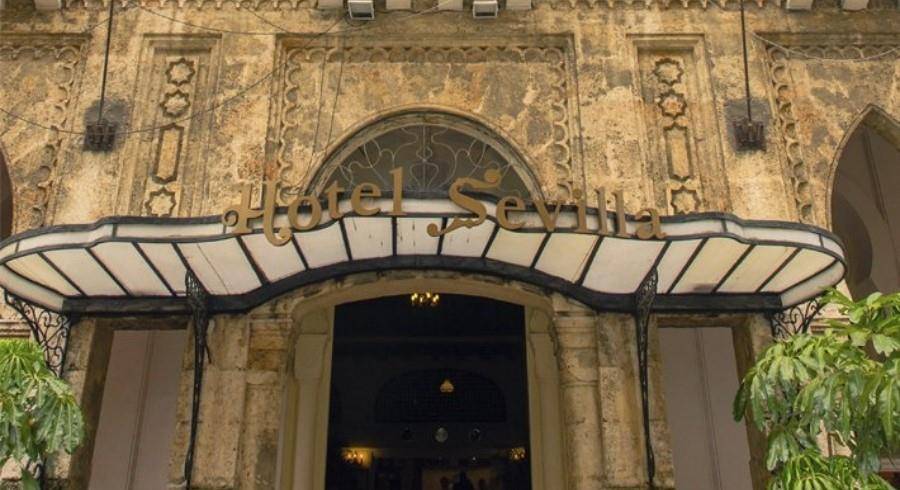
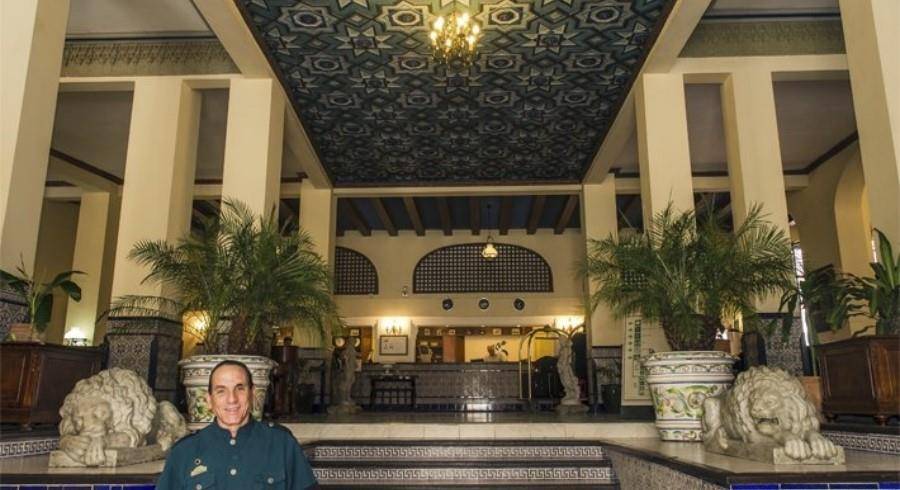
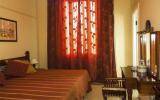
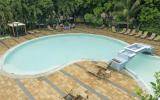
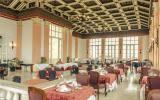
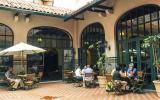
Situated in Trocadero Street, close to the Prado promenade, the Sevilla is also close to the Malecón, the Museum of Fine Arts, the Museum of the Revolution and Capitol building. You can also walk down the lively pedestrian street Obispo, flanked by shops and restaurants. The recently re-opened Sloppy Joe’s is only a few steps away and is a perfect place to relax.
The excellent location of the Hotel Mercure Sevilla, near the elegant Prado promenade and numerous cafés, restaurants and theaters, means its guests are located right in the heart of Havana’s social and cultural scene.
Paseo del Prado No.458, La Habana
Gran Teatro de La Habana
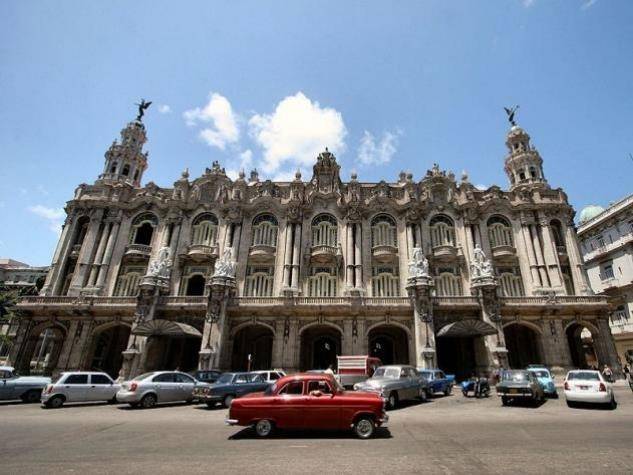
The Gran Teatro de La Habana Alicia Alonso (Great Theatre of Havana Alicia Alonso) is one of the architectural jewelry of Havana. It has an incredible neo-baroque façade with the signature of the Belgian architect Paul Belau. Located in a building known as the Galician Centre of Havana, it was inaugurated in 1915 and at the beginnings it was named Tacón Theatre. Not only in its façade there are evidences of its exquisiteness, but also its indoors halls show the luxury and elegance of the time. Its stages have shown the better artistic representations of all times, with outstanding personalities during its history (Sara Bernhardth, Enrico Caruso, Alicia Alonso) The theatre has been home to the Cuban National Ballet and, the main stage of the International Ballet Festival of Havana. Its facilities include theatres, a concert hall, conference rooms, and a video screening room, as well as an art gallery, a choral centre, and several rehearsal halls for danzarias groups and dance companies.
Calle Trocadero No. 162 e/ Industria y Consulado, La Habana
José Lezama Lima House Museum
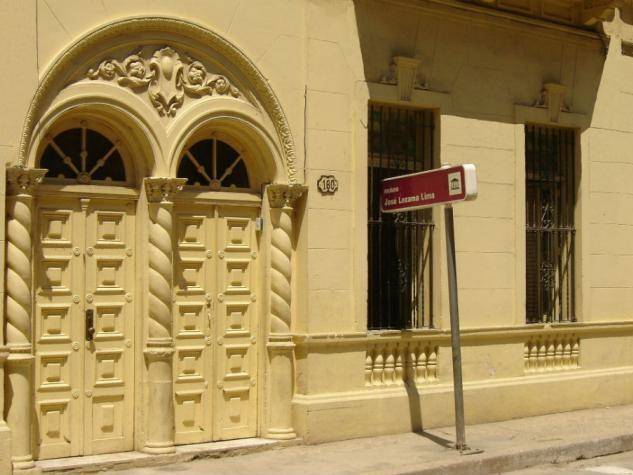
The José Lezama Lima House Museum is located in the former house of the Cuban writer José Lezama Lima, in Centro Habana. The museum exhibits several objects belonging to the writer, placed in the same way Lezama had them. The visit to this museum is compulsory for those who wish to get into Cuban literature. In this place were written worldwide known novels, like Paradiso and Oppiano Licario.
Refugio No. 1 e/ Zulueta y Monserrate, Habana
Museum of the Revolution
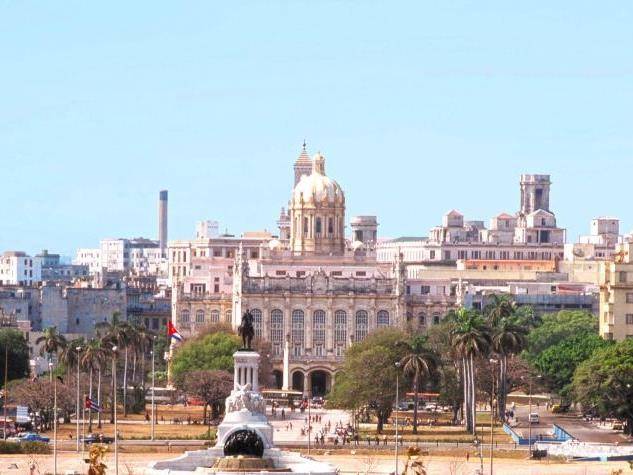
Situated in the former Presidential Palace (1920-1960), the Museum of the Revolution is a colorful building of a large dome and a mixture of styles. A detailed panorama of the struggle undertaken by the Cuban people in order to obtain its freedom is available in its 38 rooms. Its outdoor areas feature the Granma Memorial, where visitors can see, protected by an enormous glass case, the boat on which Fidel Castro and more than eighty combatants returned to Cuba from exile in Mexico to recommence the fight for the country's independence.
Avenida de las Misiones, La Habana
Edificio Bacardí
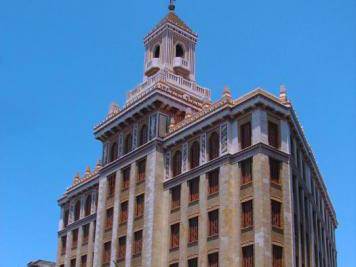
The Edificio Bacardí (Bacardí Building) is the first Art Déco building in Havana. It is considered an architectural jewel of its time, as well as one of the best examples of decorative art. Construction finished in 1930, and it was the tallest building on the island at that time. It is said that the building contains marble and granite from almost every nation in Europe. This building has 12 floors, 5 of which are offices for rent, and a total space of 7,031 square meters. Its facade is covered in Baviera red granite and on the top you will see a bat, the symbol of the Bacardí company. At the end of 19th Century, the Bacardi rum was very famous in Cuba and abroad. Its creator, Don Emilio Bacardi, was a Spaniard settled in the island. It is said that he had a bat as a talisman which was used as logo in the first distillery that made him to win fortune. It has a tiered pyramid design, using tiles as a decorative element from Catalonian Modernism, giving the building a wonderful shade effect. The richness of its interior decoration is given mainly by the natural beauty of its marbles, brought from Europe and the typical accessories of Art Deco like lamps, ironworks, drawings, etc. Currently, the building houses Cuban offices, offices for and international companies. The lobby has a bar open to the public and you’ll be able to climb the tower and get a wonderful view over Havana.
 English