26 Maceo St., Baracoa, Guantánamo Province ,
Baracoa, Cuba
(+53)21645224
yes
About
Hostal La Habanera
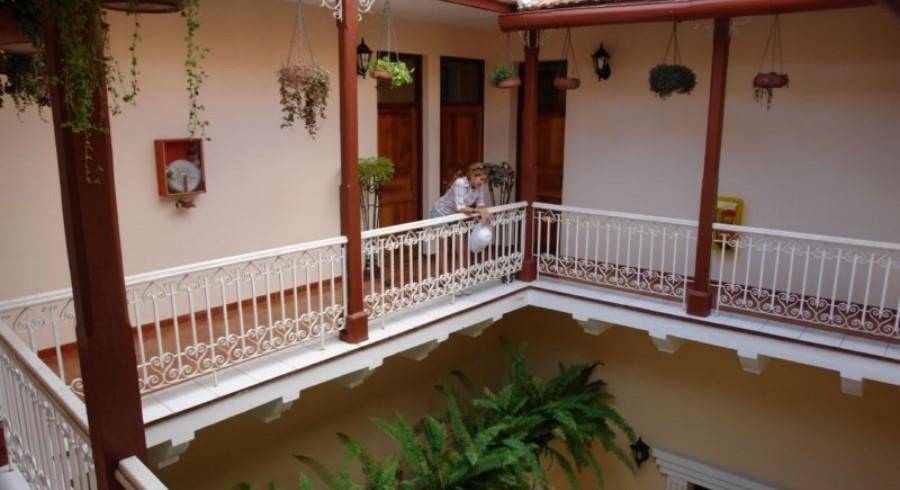
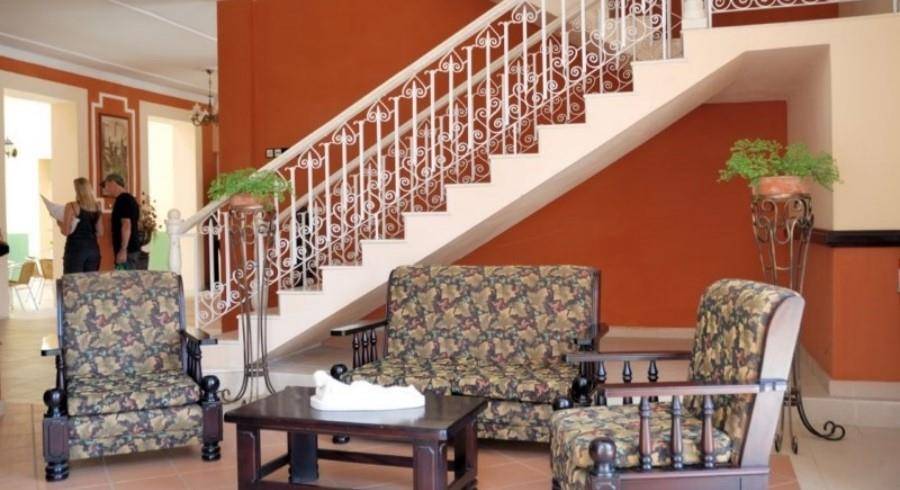
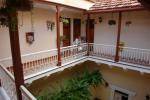
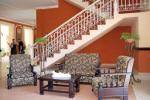
The hotel is located in a privileged position in the historic center of Baracoa Town. Offers accommodation and restaurant services.
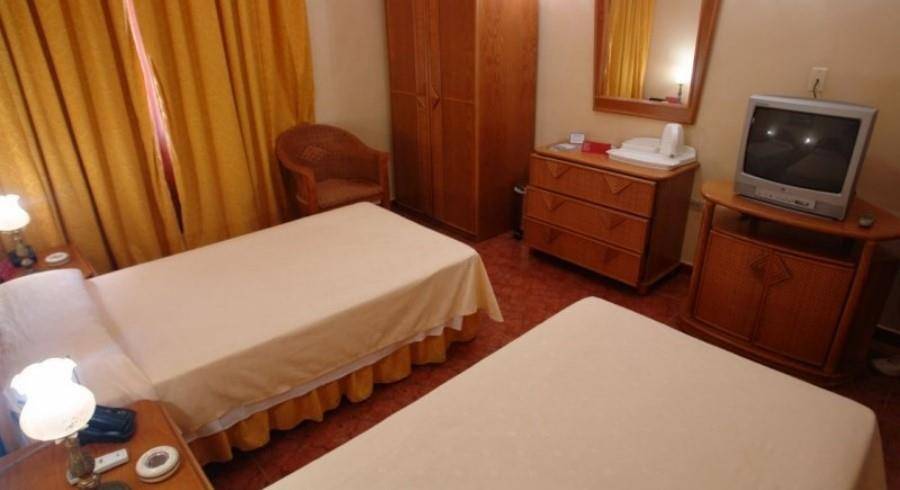
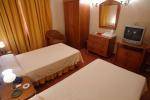
Rooms: 10
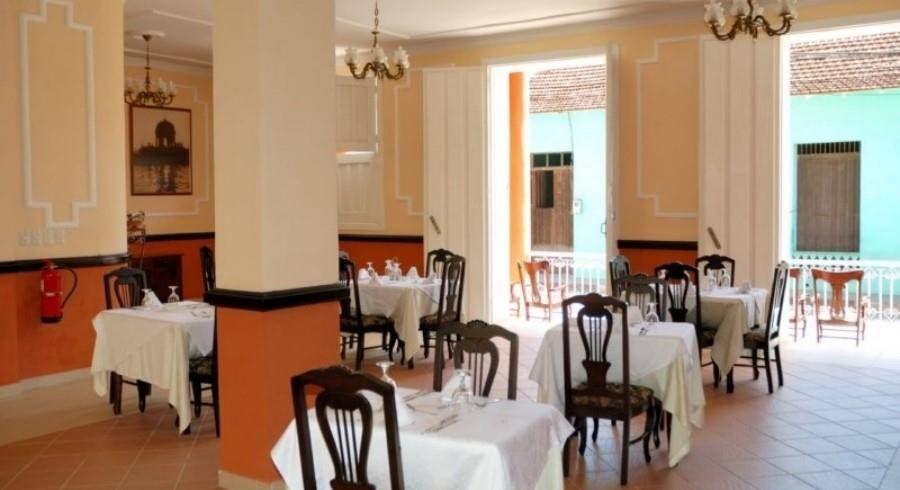
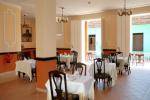
Restaurants and bars: 1 Restaurant and 1 Snack-Bar.
Calle Martí y El Malecón, Baracoa
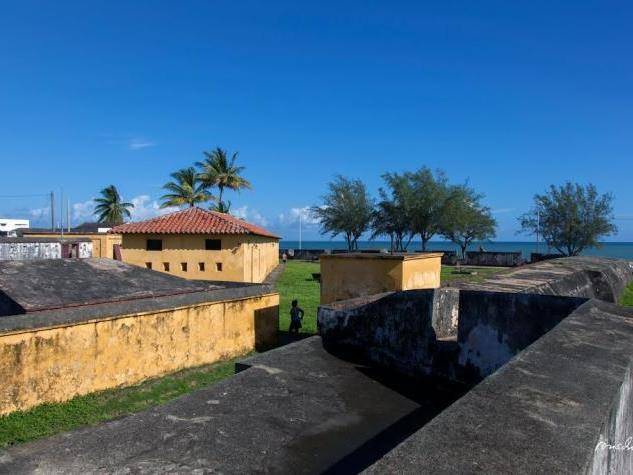
Fuerte Matachín
One of Baracoa's three fortresses, Fuerte Matachín, was completed in 1802. In 1868 it became a guard post of the Spanish army for the recognition and registry of all those entering and departing from the city. After the installation of the pseudo-Republic, it was used firstly as a bastion against the pirates and later was used by the Spanish as a prison. Today it houses the Museo Histórico Matachín, whose displays discuss the city's history, including its Taíno roots. There are examples of Taíno pottery, sculpture, and other artifacts; exhibits on famous citizens; and displays explaining the community's role in the wars for independence and the Revolution.
Baracoa, Guantánamo
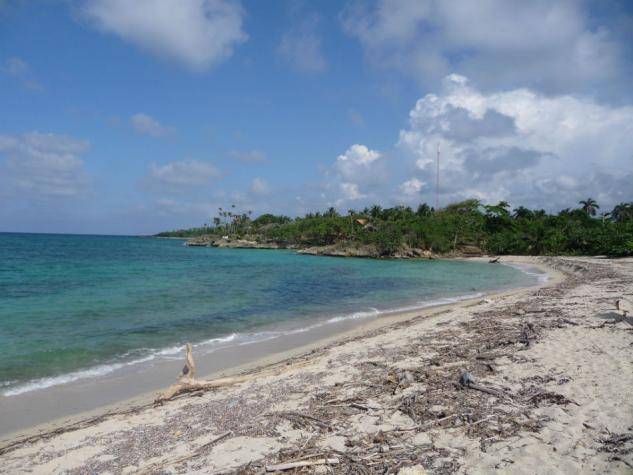
Maguana Beach
The Maguana Beach, located around 20 kilometers North from Baracoa, is the perfect sample of a tropical beach. This delightful beach is characterized not just by its reluctant white sand of its shore, but for being surrounded by palm trees and counts with quiet turquoise waters, result of the protection brought by the beautiful coral reef located very close to the coast. It is a very popular beach among the natives and the visitors. At the beach are some low scale facilities for visitors, including restaurant services and tourist villas that can be rented.
Carretera a Santa Rosa, Mabujabo, Baracoa
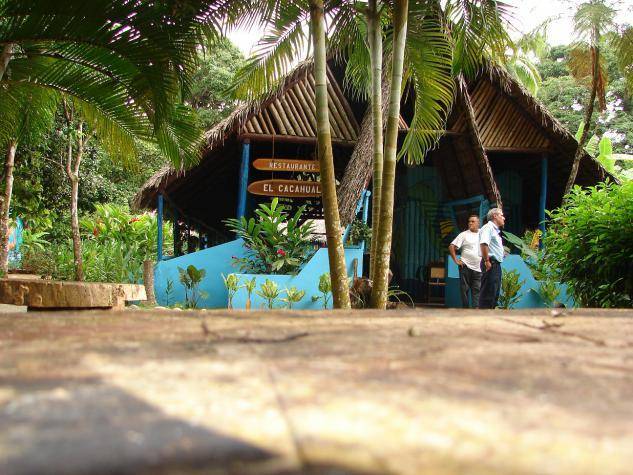
Duaba Farm
An ideal place in the countryside to experience nature, the rural lifestyle and the fascinating world of cocoa, an opportunity to learn in depth about Baracoa's deeply rooted cocoa. A tour takes you past mango and coconut trees as well as coffee and cocoa crops. There are educational trails where the plants of cocoa are displayed and the entire traditional growing, harvesting and processing methods used by local farmers are shown. You'll also visit a typical bohío, or peasant's hut, where staff members actually live. A rustic restaurant serves typical dishes from the Baracoan cuisine and chocolate based preparations.
Baracoa
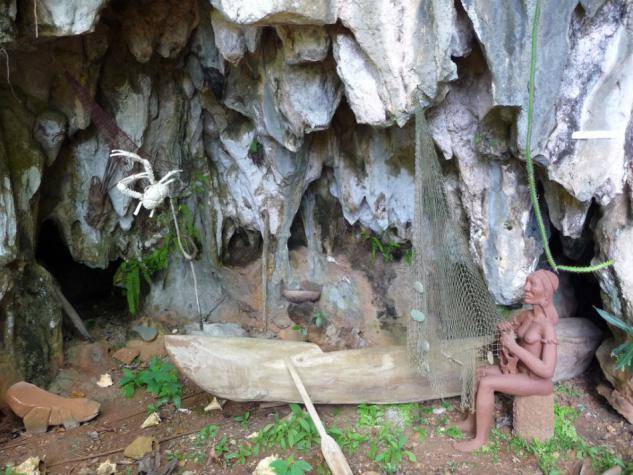
The Paradise Cave Archaeological Museum
Around Baracoa are several dozen pre-Columbian archaeological sites related to the two major indigenous groups that once inhabited the region. It is a marvellous facility for lovers of history and archaeology, situated in a colonial ambiance on the second terrace of Seboruco, known as Paradise Heights. The area in which it is located is rich in remains of our first population. The Paradise Cave Archaeological Museum contains a copy of the Taíno tobacco idol found nearby in 1903 (the original is in Havana).
 English