161 Máximo Gómez St. Baracoa, Guantánamo Province ,
Baracoa, Cuba
(+53) 21430112
yes
About
Hostal la Rusa
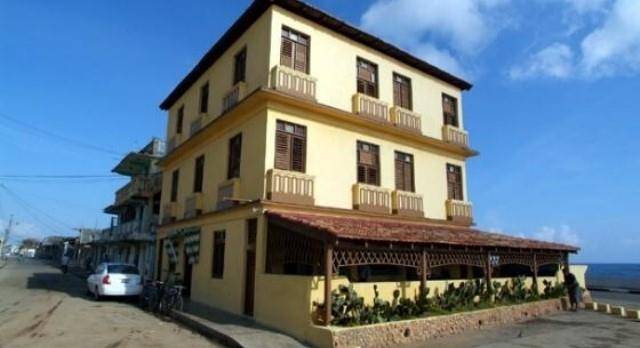
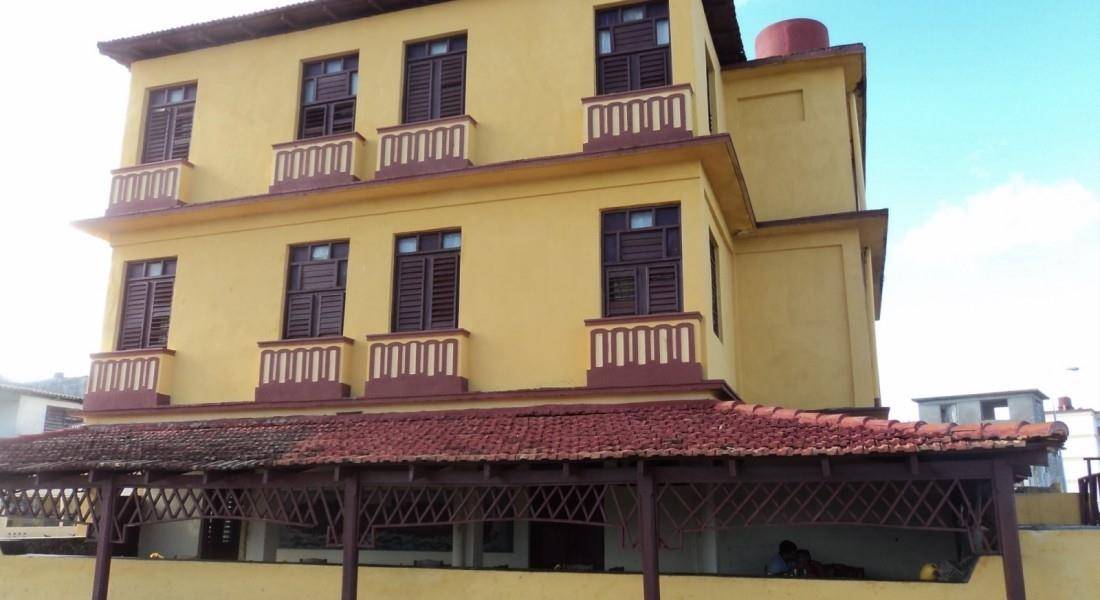
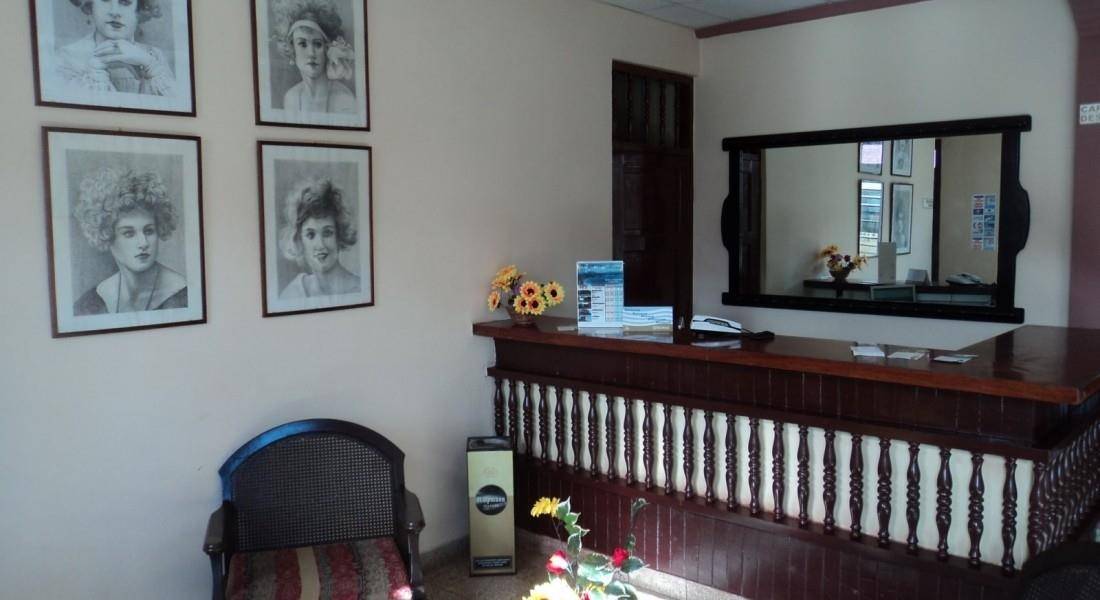
The motel is located in a privileged location in front of the coast line of Baracoa Town. A historic place because in its facilities lived the famous “Rusa de Baracoa”.
Rooms: 12 Standard
Restaurants bars: 1 Restaurant (specialized in seafood) and 1 Snack-Bar.
Consejo Popular Mata-Guandao, Baracoa, Guantánamo
Boca de Yumurí
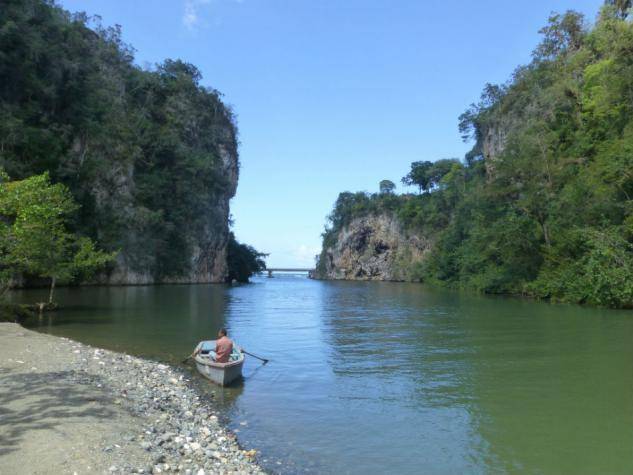
Boca de Yumurí will surprise you for the beauty of the environment which surround the green spot. The beautiful area of Yumurí captivates everyone who visits it, inviting to make a short trip towards the little Almendras Island, between the canyon of the Yumuri Rivers. The Yumurí Canyon occupies an extension of 8,7 square kilometers of forests and is characterized by fresh and transparent waters. This place is a true paradise for the flora and the fauna, among which stand out the existence of more than 60 types of birds. Considered the speleology eden, it is a place taken good care of by scientists and inhabitants.
Baracoa
El Yunque
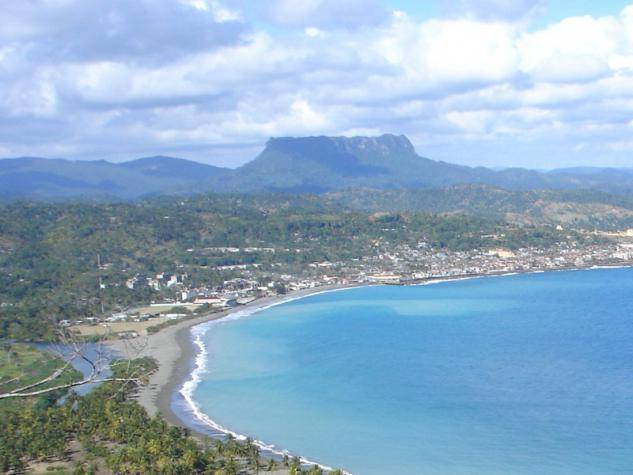
A peculiar elevation of vertical slopes and flat top located 8 km off the Baracoa city, Columbus described it in his diary notes of his first trip to Cuba in 1492. El Yunque de Baracoa, declared National Monument and symbol of the city of Baracoa, considered an ecological island that called the attention of Admiral Christopher Columbus in his first trip to the Americas, serving as an orientation feature due to its unusual characteristics (flat topped). The fauna of the Yunque is rich and diverse there are abundant woodpeckers, humming birds, jutias, lizards, reptiles. There is a natural viewpoint at 573 m, from which one can see a vast landscape of green mountains and rivers with the Bay of Baracoa as backdrop.
Baracoa, Guantánamo
Playa Blanca
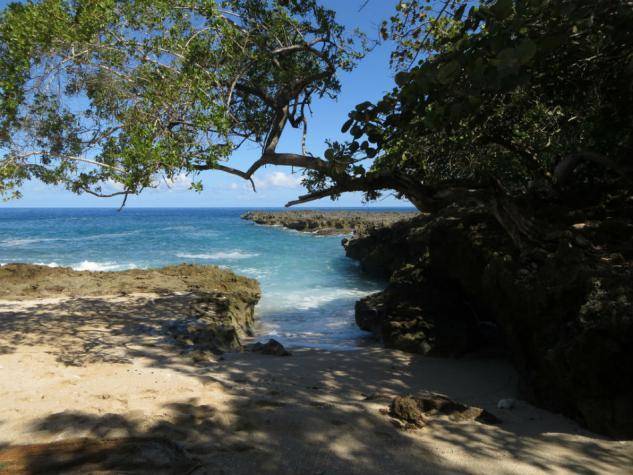
The beautiful Playa Blanca is set up in the suburbs of the city of Baracoa, just two kilometers away from the city. This way, you can enjoy it after a calm walk from the village and crossing the Miel River. The characteristic thing of the charming white sand and crystalline waters beach, is that you have to pay the admission on the control post located in the access to the area, because it is enclosed on the inside of the protected reservation.
Calle Antonio Maceo No. 149, Baracoa
Casa de la Trova
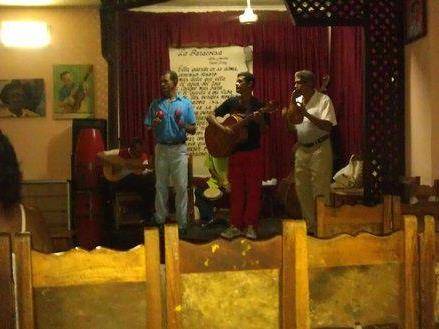
This is the best spot to hear live music. You can listen to traditional Cuban music and also to typical music from the area of Baracoa attending to live performances from local and national groups. It's open nightly until about 2 am. Listen for el nengen or el kiribá, two styles of music that predate the Cuban son.
 English