Hotels - Inglaterra

About  Inglaterra

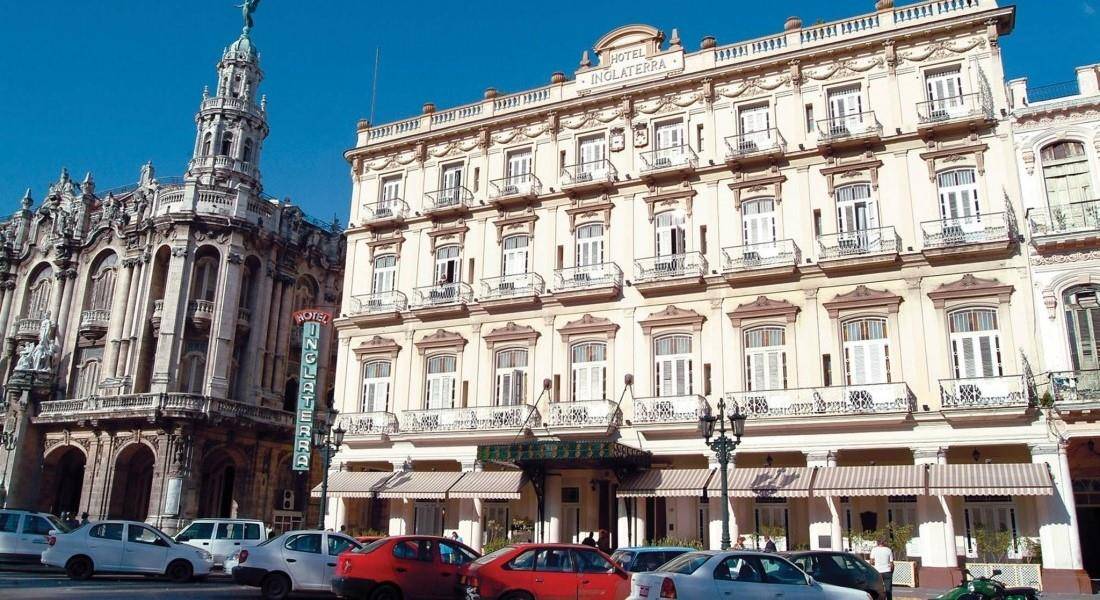
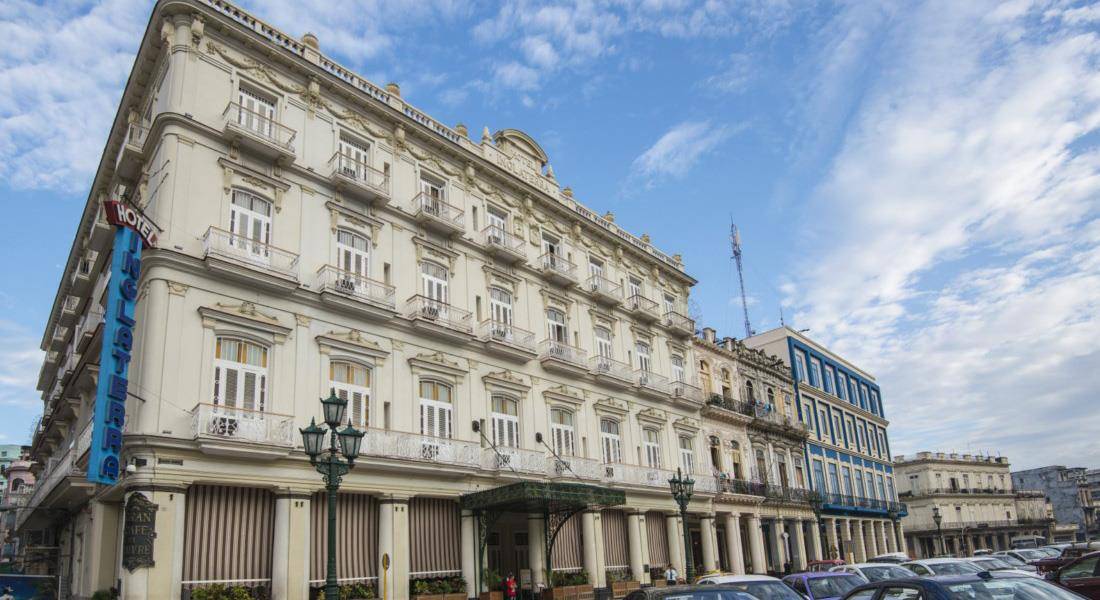
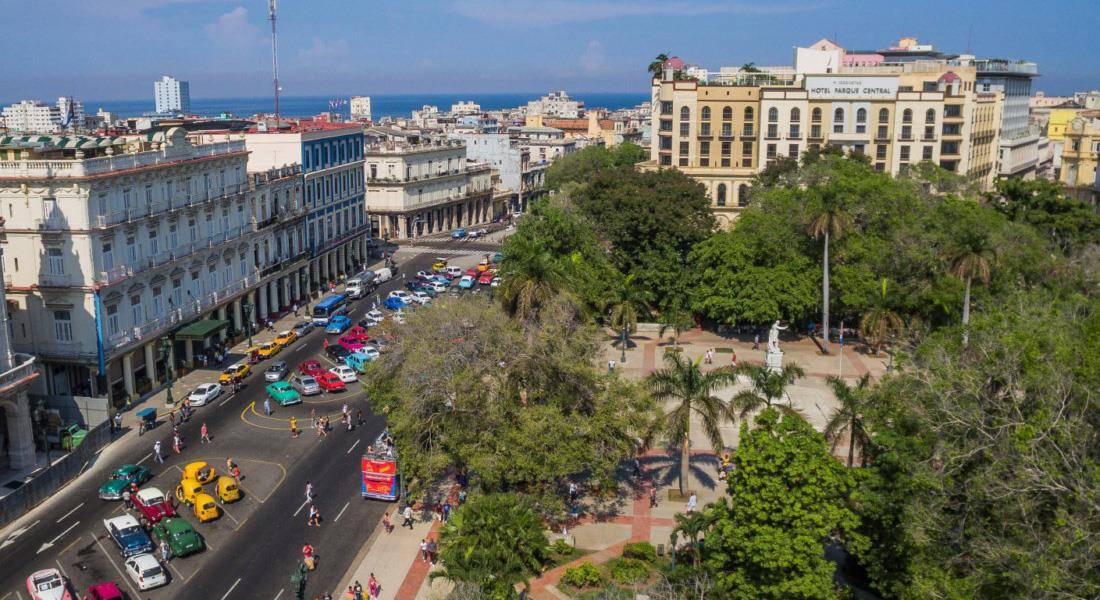
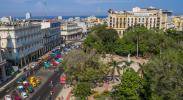
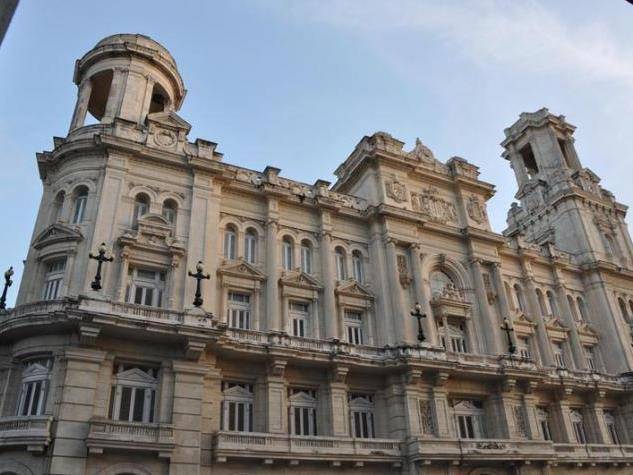
The Inglaterra opened in 1875 and has been one of the preferred hotels in the heart of downtown Havana ever since. Famous past guests include José Martí and Anna Pavlova – will you be next to sign the guest book?

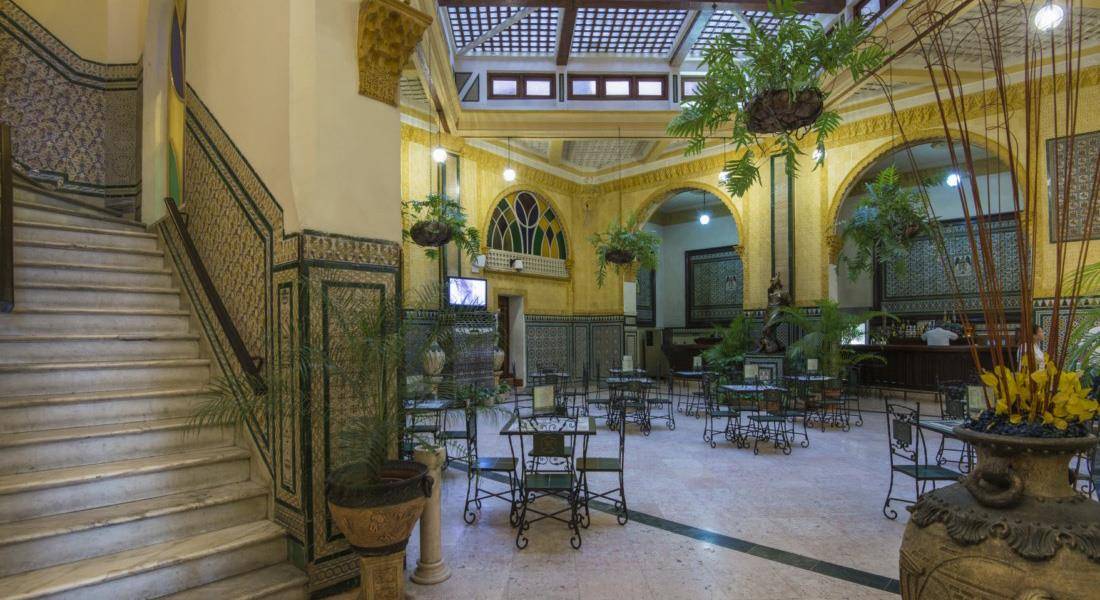
The Inglaterra’s animated and dynamic sidewalk café, the Gran Café el Louvre, has hosted musicians, travelers, poets, professors and visitors of all stripes for over a century. Pull up one of the cast iron chairs to linger for an hour (or three) listening to live music and watching the kinetic street scene unfold.

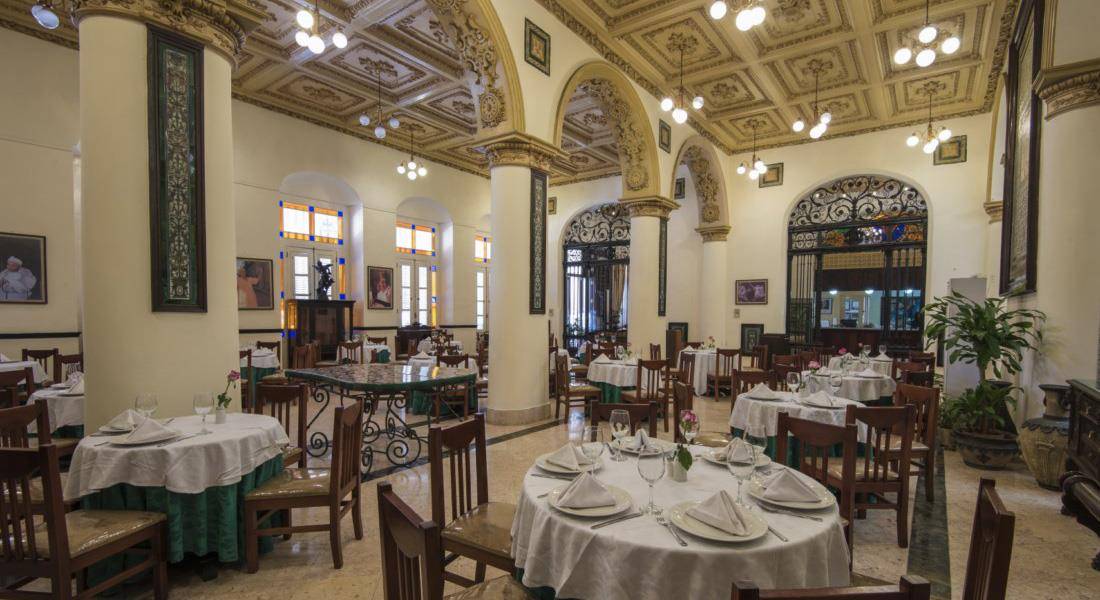
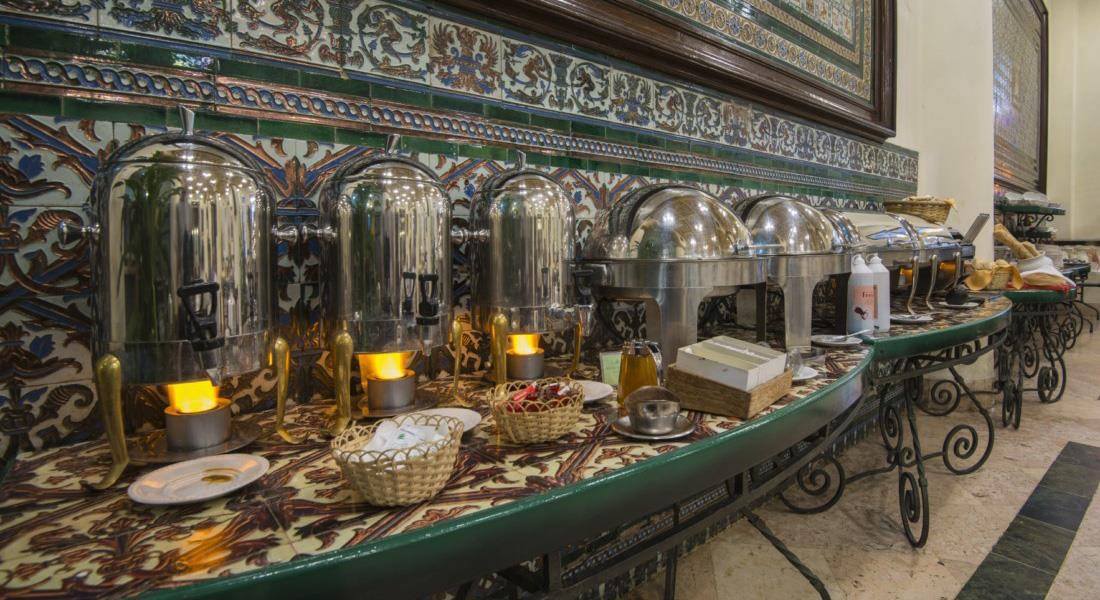
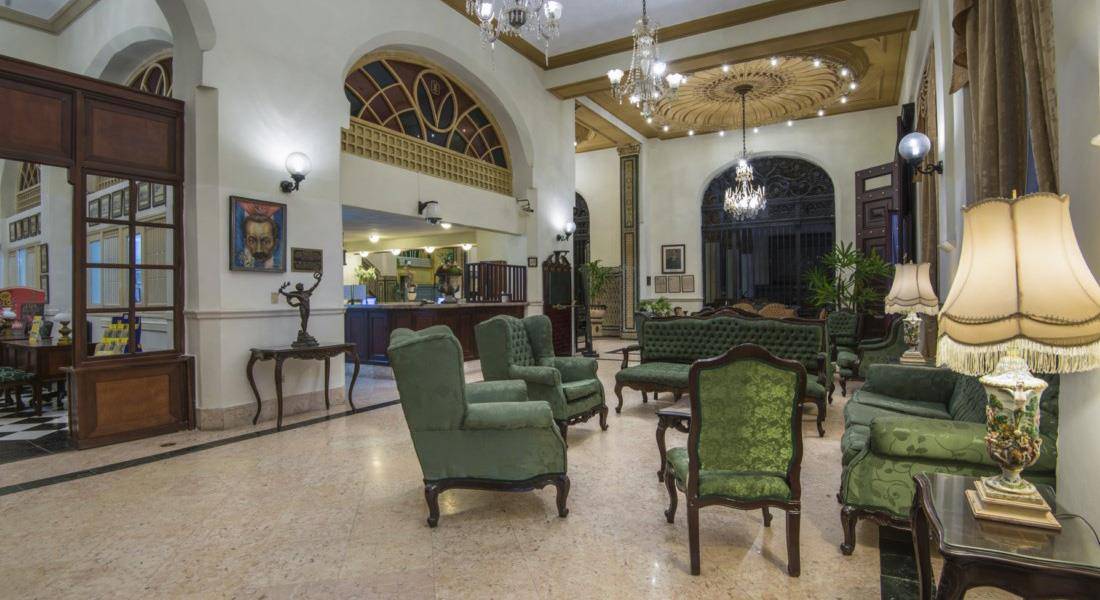
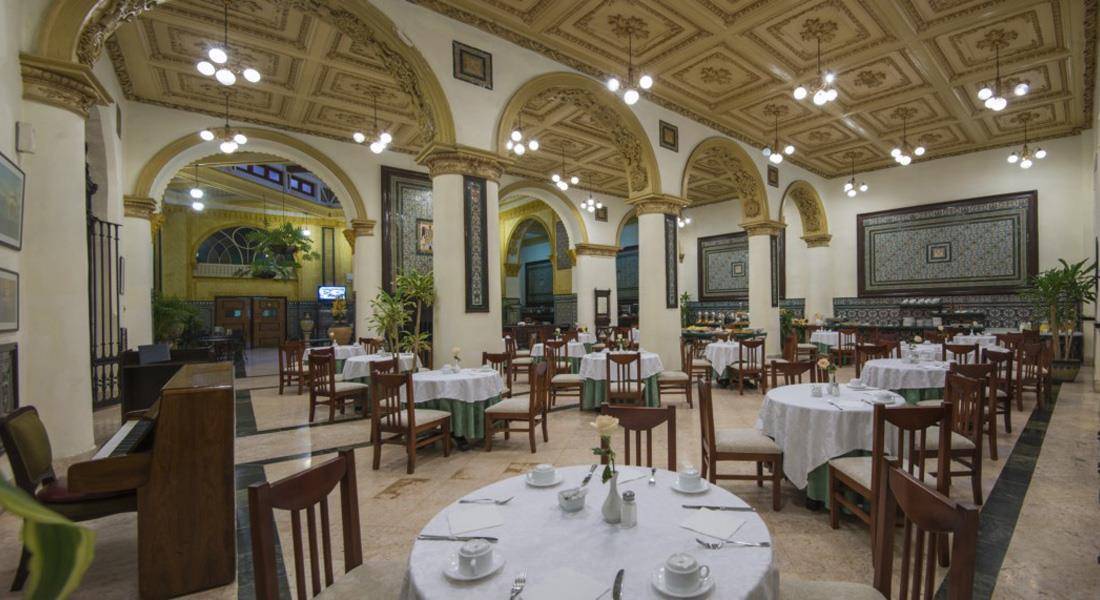
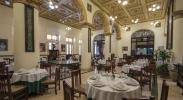
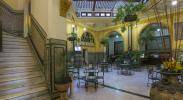
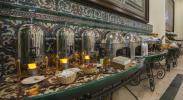
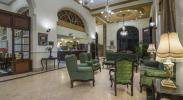
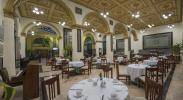
While Inglaterra means England (for those who didn’t know), it’s rather a fusion of several cultural influences. Consider the restaurant El Colonial, (where breakfast is served) opposite the horseshoe-shaped reception area, with its neoclassical style. On the left, the bar-café La Sevillana, is another inviting spot to while away an hour or two. This whole section is attractively paneled with ceramic tiles from Seville in rich patterns and colors, complemented by ornately carved archways and molding. The entire area feels like it could be in Morocco, rather than Cuba.

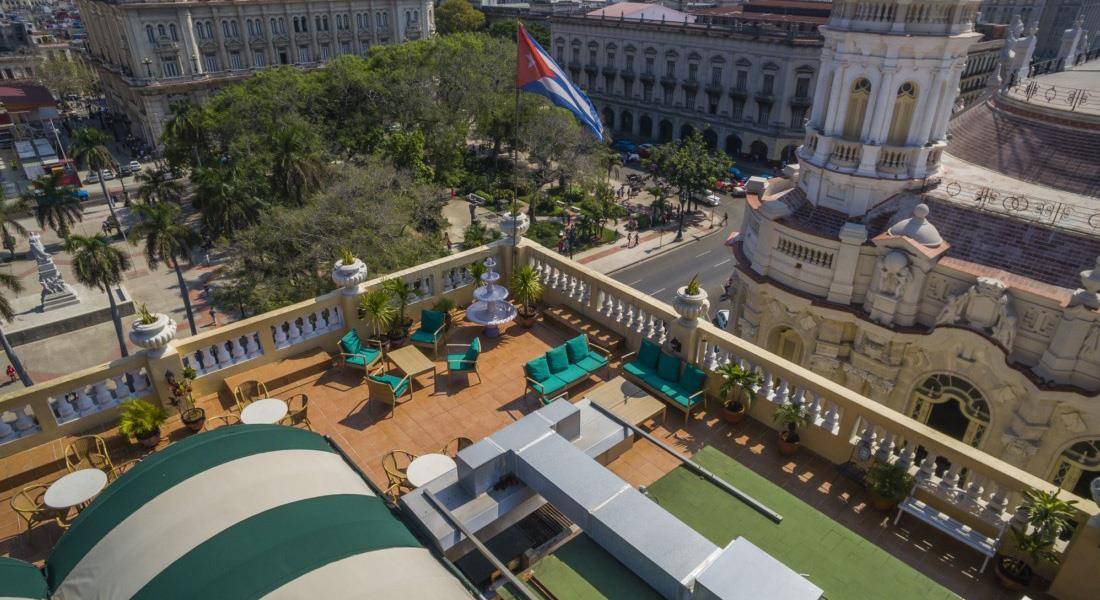
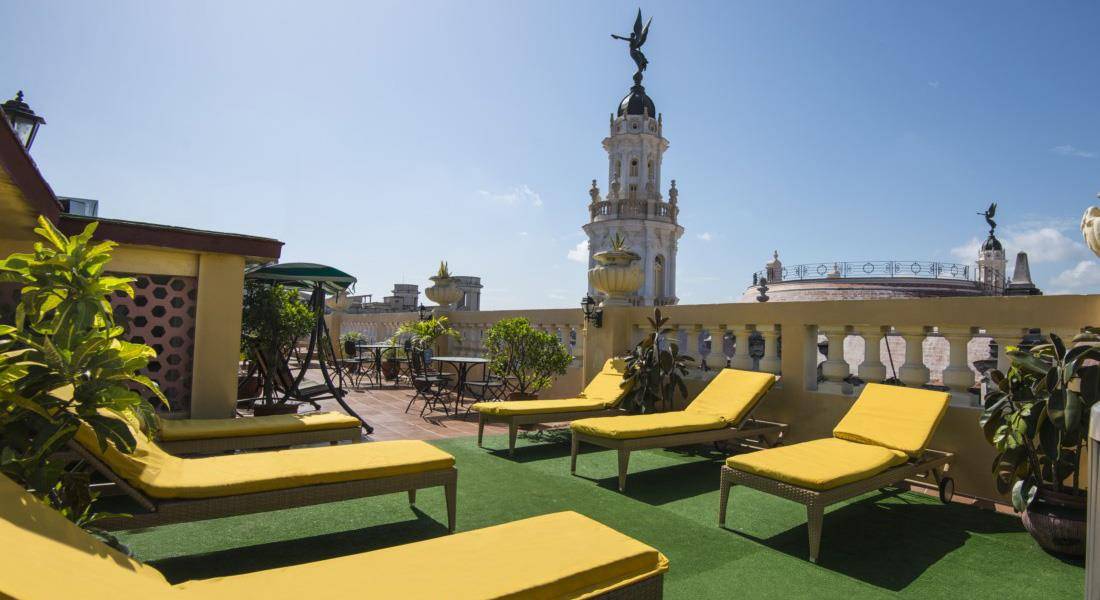
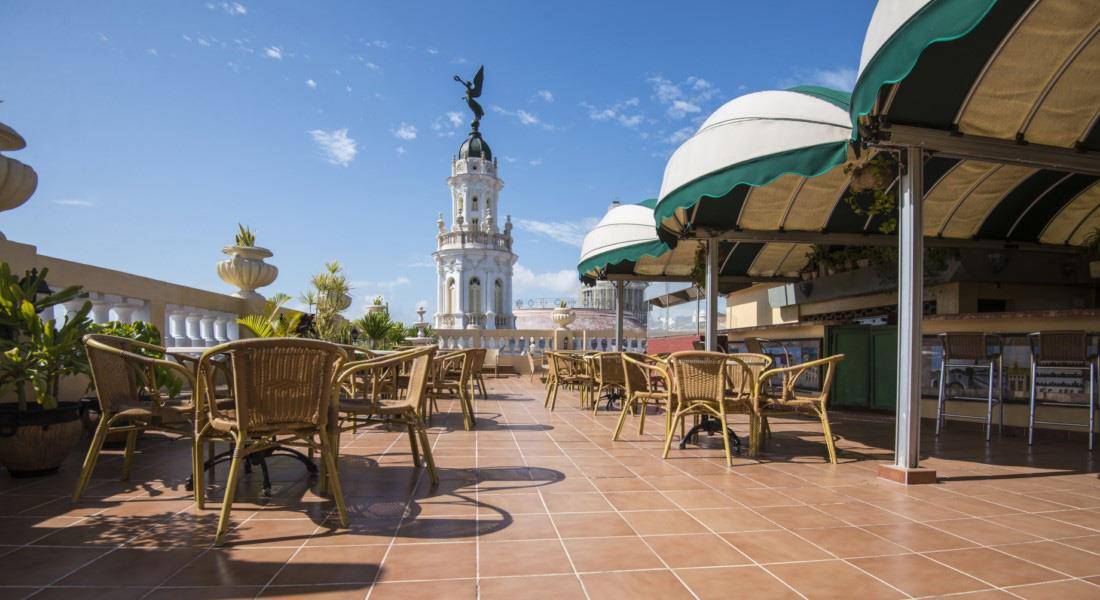
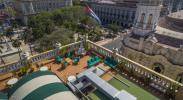
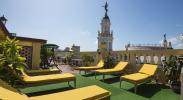
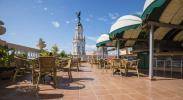
But don’t only explore downstairs, for a real treat awaits at the top of the hotel. The Inglaterra’s rooftop terrace, featuring a bar/grill, is consistently ranked as a top Havana experience. During the day, enjoy the Jacuzzi and sun beds in the solarium; at night, have some cocktails accompanied by live music. Needless to say, the view from here is fabulous.

Carretera de La Cabana, Habana del Este

San Carlos de La Cabaña Fortress

The vast Fortaleza de San Carlos de la Cabaña, known as ‘La Cabaña’, running beside the harbor, was constructed after the English capture of Havana in 1763. The largest of the military structures built by Spain in the Americas, this fortress was completed in 1774 and its presence formed an effective complete deterrent against the country's enemies. The polygon, occupying an area of around 10 hectares, consists of bastions, ravelins, moats, covered walkways, barracks, squares and stores.  It is impressively well preserved, and the gardens and ramparts are romantically lit in the evening. This fortress hosts the spectacular nightly ceremony of El Cañonazo de las Nueve (cannon fire at 9), the firing of a cannon that marked the closing of the city gates, one of Havana's longest-held and most attractive traditions.

Avenida de México, esq Arroyo, La Habana

Train Museum

The Museo del Ferrocarril (Train Museum) of Havana is located in the old Cristina Station, built in 1859. The museum exhibits a great collection of old locomotives, photographs, and signaling materials, as well as an interesting review of the Cuban trains history. Cuba was one of the first countries in the world to build a rail network, and the trains on the island began to run at least a decade before those in Spain. In this museum you’ll find steam engine locomotives for broad and narrow rails, as well as diesel and electric locomotives. One of the most important items in the museum is the La Junta de Fomento Locomotive, bought in the US in 1842. The museum also houses an area which reproduces the operations room of a train station in the first half of the 20th century; and a Railway Modelling Room which exhibits scale models of stations and railway equipments.

calle Prado, Habana

National Capitol

The monumental Capitolio is a replica of the American capitol in Washington, DC. It is one of the most emblematic buildings of the Havana skyline and it occupies an area of 38 875 m². It was the seat of the legislative body of the Republic since its inauguration on May 20, 1929. The facade is mainly of classic style while the interior of the building is characterized by eclectic opulence. From the stairs on we see the imposing porch columns and behind them we find the main gates, fashioned in bronze with bas-relief depicting important scenes of national history. On both sides of the uppermost part of the stairs there are two bronze statues, symbols of two guiding virtues: people and work. These statues are the work of the Italian sculptor Angelo Zanelli. 

Fortaleza de San Carlos de La Cabaña, Carretera de La Cabana, Habana del Este

The Cannon Blast Ceremony

The Cannon Blast ceremony (El Cañonazo de las Nueve) is one of the oldest and attractive traditions of Havana. In colonial days, the shots signalled the closing of the gates of the walled city and the rising of the chain across the entrance to the harbour. The tradition of firing a cannon every night at 9:00 pm was kept even after the wall was torn down and is still used for checking your watch.

Be the first to write a review

Write a review

Title

Your review

What sort of Trip was this?

  • Business
  • Couples
  • Family
  • Friends
  • Solo

When did you travel?

Add a tip to help travelers choose a good room (Optional)

Do you have photos to share? (Optional)

Name

Email

Skedio, S.L. CIF: B66173931. # Travel Agency Licence: GC-3667 © 2026 Enjoytravel Corporate, All rights reserved